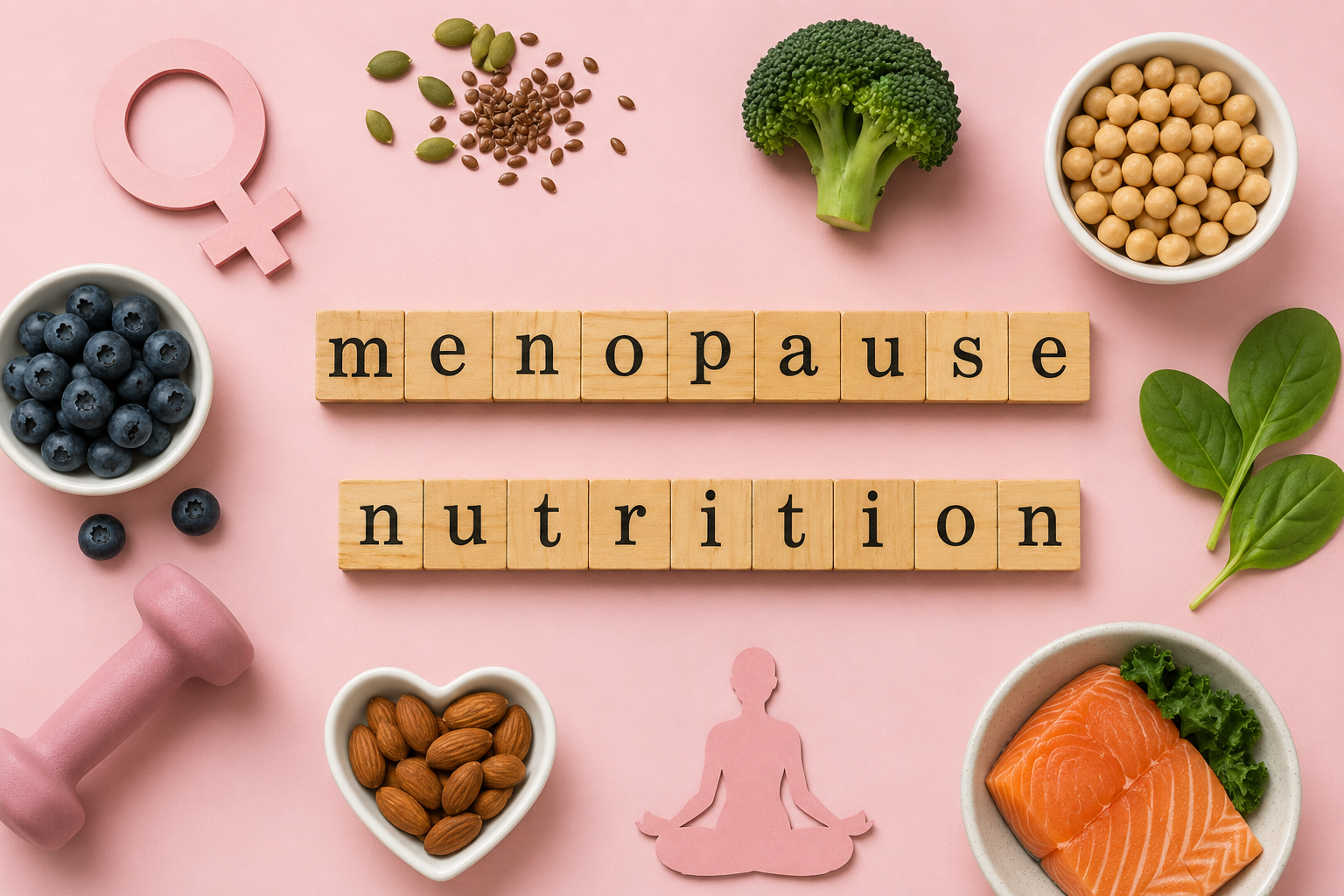
Menopause is a natural life stage marking the end of menstrual cycles, defined by 12 consecutive months without a period. It typically occurs between ages 45 and 55, but can start as early as your 30s. The hormonal shifts—particularly the decline in estrogen—bring changes in metabolism, bone density, cardiovascular risk, body composition, and other symptoms (e.g, hot flashes, mood swings). Thoughtful nutritional changes can help alleviate symptoms, support long‑term health, and manage weight. Below are examples of common symptoms along with nutrition guidance to help you manage symptoms during your menopause years.
Why You Need to Change Your Diet During Menopause 🌟
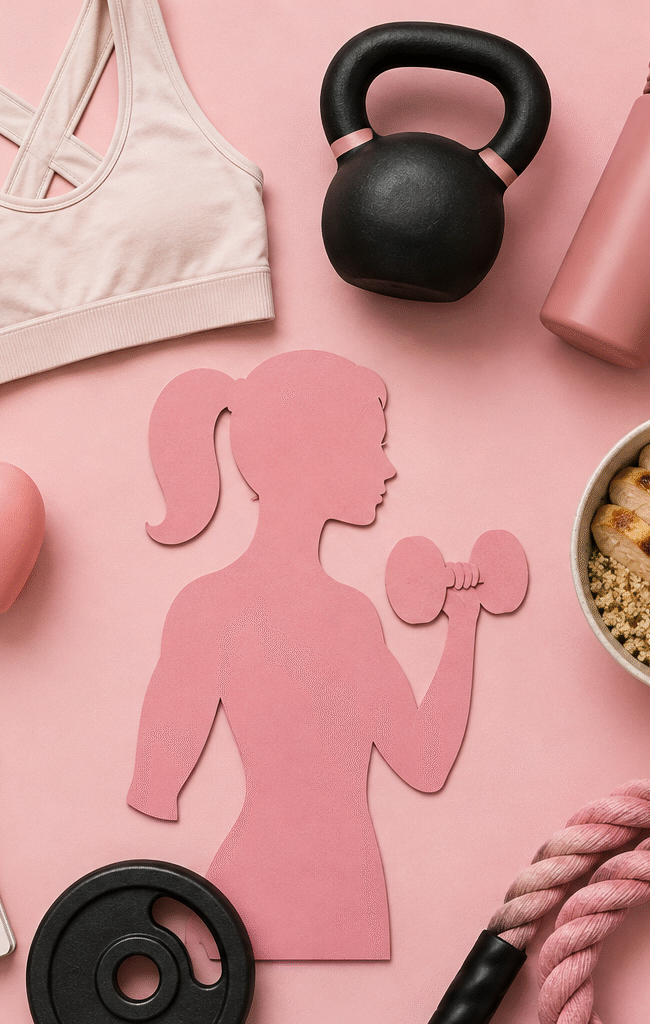
1. 🍑➡️🏋️♀️ Hormonal Shifts Alter Fat & Muscle As estrogen falls, fat shifts from hips/thighs to the abdomen and muscle mass declines. Less muscle means a slower metabolism—so if you keep eating the same, you’ll likely gain weight around your middle.
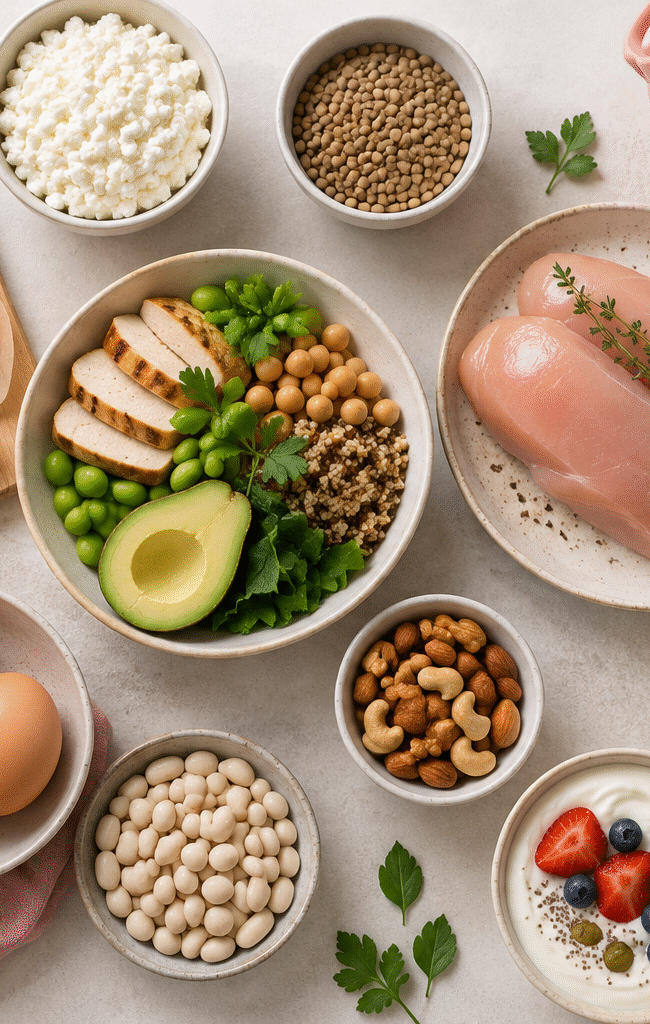
✅ Do: Eat 1.0–1.2 g protein/kg body weight (poultry, legumes, dairy) + resistance training twice weekly. 🚫 If you don’t: Lean muscle mass declines ↓
Aging itself reduces muscle and metabolic rate. Without changing your intake or moving more, many women gain around 1.5 lb per year through their 50s.
✅ Do: Balance calories with lean protein, fiber, and regular exercise (150 min/week + strength training). 🚫 If you don’t: Metabolism slows → ~1.5 lb/year weight gain, stubborn midsection fat ⚖️🍔
3. 🦴⬇️ Bone Density Drops
Estrogen helps keep bones strong. After menopause, bone breakdown accelerates, raising osteoporosis and fracture risk. Boosting calcium and vitamin D through diet (and supplements if needed) is vital.
✅ Do: Aim for 1,200 mg calcium + 600–800 IU (International Unit) vitamin D daily (dairy, leafy greens, fortified foods).
🚫 If you don’t: Accelerated bone loss → osteoporosis & fractures risk ↑ 🦴💔
4. ❤️📈 Cholesterol & Heart Risk Rise
Lower estrogen often means higher LDL (“bad”) cholesterol and triglycerides, and lower HDL (“good”) cholesterol—so heart‑disease risk goes up. Eating a Mediterranean or DASH (Dietary Approach to Stop Hypertension) ‑ style diet helps keep blood lipids and blood pressure in check.
Mediterranean Diet: Emphasizes fruits, vegetables, whole grains, legumes, nuts, olive oil, fish, and moderate dairy. DASH Diet: Lowers blood pressure and cholesterol by focusing on fruits, vegetables, low‑fat dairy, whole grains, nuts, and lean proteins, while limiting sodium, added sugars, and saturated fats.
✅ Do: Follow a Mediterranean/DASH‑style eating pattern—lots of fruits, veggies, whole grains, lean proteins, nuts, and olive oil. 🚫 If you don’t: bad cholesterol & blood pressure creep up → heart‑disease risk ↑ ❤️🏥
5.🌶️☕🍷 Foods Can Worsen Symptoms
Spicy dishes, caffeine, and alcohol are common hot‑flash and night‑sweat triggers. A diet rich in whole grains, fruits, vegetables, and cool beverages can help tame vasomotor symptoms.
✅ Do: Load up on phytoestrogens (soy, flaxseed, broccoli, edamame, Miso, Tofu), stay cool, avoid spicy foods, caffeine, and alcohol. 🚫 If you don’t: More frequent/intense hot flashes & poor sleep 😓🌡️
6. 🧠 Brain & Mood ✅ Do: Get B‑vitamins (B₆, B₁₂), omega‑3s (fish, walnuts), and keep blood sugar steady with fiber. 🚫 If you don’t: Mood swings, brain fog, and mental fatigue can worsen 🤯📉
Here’s a quick list of go-to foods that support your body through menopause:
🌱🫘🌾 Hormone Helpers Flaxseeds – contain phytoestrogens (plant-based estrogens) Soy (tofu, edamame, tempeh) – also rich in phytoestrogens Oats & quinoa – help stabilize blood sugar
🥬🐟🥛Bone Builders Leafy greens (kale, spinach, bok choy) – calcium + magnesium Sardines & salmon (with bones) – calcium + vitamin D + omega-3s Fortified plant milks – calcium & vitamin D boost 🍳🫐🍫Mood & Energy Boosters Eggs – protein + choline for brain health Berries – antioxidants to reduce inflammation Dark chocolate (70%+ cocoa) – magnesium and mood lift (yes, really)
🍗🥑🌰 Metabolism Support Lean protein (chicken, turkey, legumes) – supports muscle and fat-burning Avocados & nuts – healthy fats to keep you full and balance hormones Chia & pumpkin seeds – zinc, magnesium, fiber
🔑 Bottom Line: Menopause brings shifts in hormones, metabolism, body composition, and nutrient needs. Adapting your diet—eating more nutrient‑dense, whole foods and fewer empty calories—helps you manage weight, protect your bones and heart, and ease symptoms for a healthier, more comfortable transition.
Key Nutrients 💪🔑 🦴 Calcium & Vitamin D Declining estrogen accelerates bone loss, making calcium and vitamin D critical. Women ≥ 51 years should aim for 1,200 mg calcium + 600–800 IU vitamin D daily (dairy, fortified plant milks, leafy greens).
🍗 Protein Adequate protein preserves muscle mass and supports metabolic health. Aim for 1.0–1.2 g/kg body weight per day, focusing on lean sources like poultry, fish, legumes, and low‑fat dairy.
🌾 Dietary Fiber A high‑fiber intake (30–45 g/day) promotes digestive health, aids weight management, and may modulate estrogen metabolism. Include whole grains, fruits, vegetables, legumes, nuts, and seeds.
🌱 Phytoestrogens Plant compounds (isoflavones in soy, lignans in flaxseed) may reduce vasomotor symptoms. A soy‑rich, plant‑based diet can cut moderate‑to‑severe hot flashes by up to 84% over 12 weeks—think tofu, tempeh, edamame, and ground flaxseed.
🥑 Healthy Fats Monounsaturated & polyunsaturated fats support heart health and may ease symptoms. Incorporate olive oil, avocados, nuts, seeds, and fatty fish (e.g. salmon, mackerel) while limiting saturated fats.
⚡ Magnesium Essential for bone health, muscle function, sleep quality, and mood regulation. Aim for 300–400 mg/day from green leafy vegetables, nuts, seeds, legumes, and whole grains.
🔋 B‑Vitamins (B₆, B₁₂) Women > 50 years need about 1.5 mg vitamin B₆ and 2.4 μg vitamin B₁₂ daily to support energy metabolism and neurological health.